Suicide and the Violence of Our Words
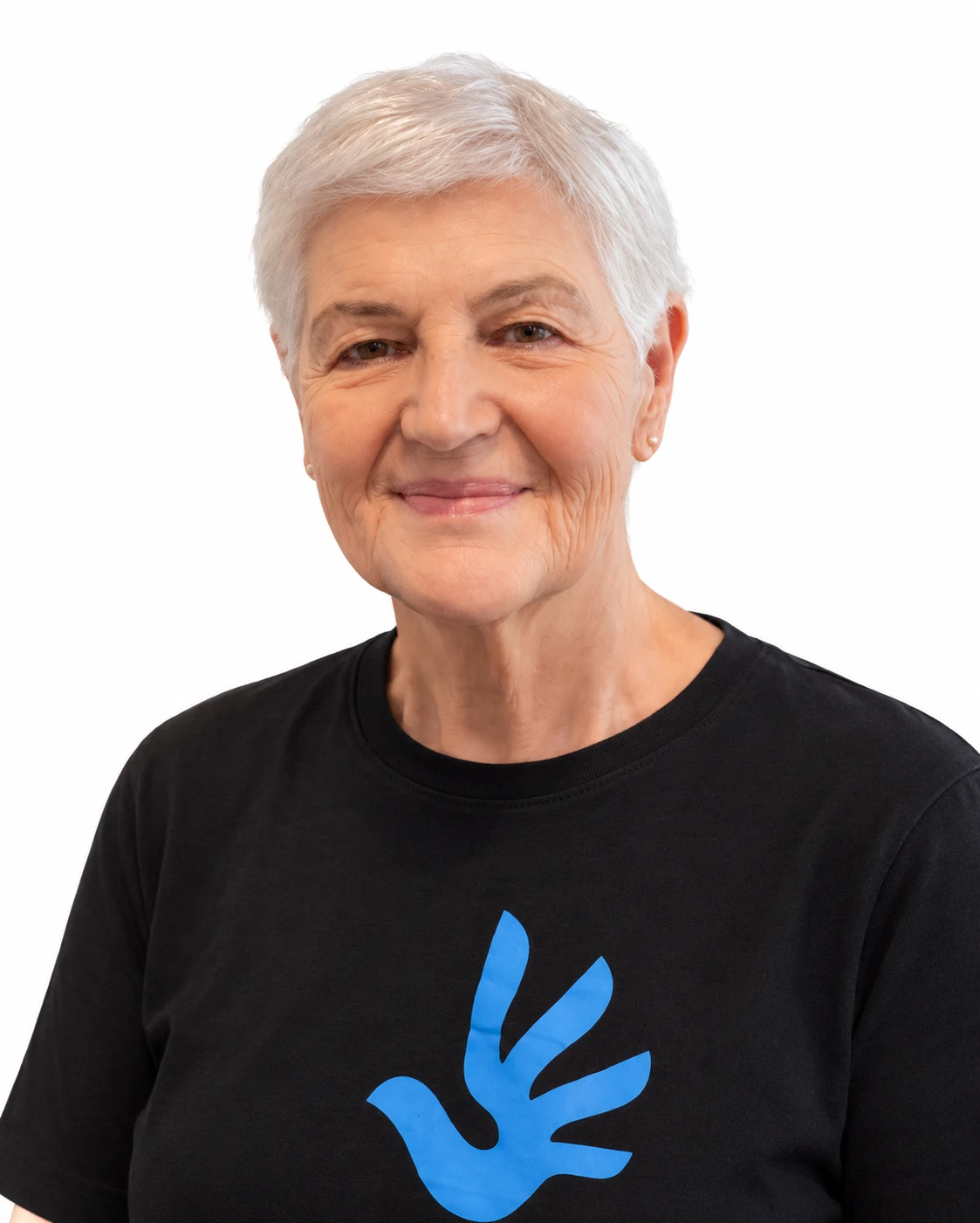
After losing her son to depression, Professor Lizette Rabe has sought to destigmatise the way that suicide is reported and spoken about. In 2012 she founded the Ithemba Foundation to raise awareness about mental health and funding for research about this. She is also an active supporter of and donor to DignitySA. The story that follows is an abridged version of an article that she wrote for the Mail & Guardian in May 2017 titled ‘Suicide and the Violence of our Words’.
In 2009 our beloved son, a brilliant medical student in his fourth year at Stellenbosch University, died. His illness eliminated him forever and we had not even realised that it was so severe that it was destroying him in front of our eyes.
What was supposed to be the beginning of the spring of 2009 became the end of everything we ever knew.
Our son had so many plans. It was the third term of his fourth year; he would have ended that year just as well as the previous ones, with cum laude marks. Plans had already been made for the next year. He wanted to move into a flat for his fifth year. He, who loved animals, wanted a dog.
Ten days before his death, I still had to buy him not one, but two pairs of the shoes he liked wearing in hospital. He was to do his fourth year internship, at the end of the academic year, at a mission hospital in Tanzania.
All these plans for a future that was never to be.
For us who have lost our loved ones to “this terrible disease”, as Virginia Woolf wrote to her husband before her own death from depression, there is no refuge or sympathy in greater society. It is a double whammy: not just that we have lost, but also how we have lost.
After our son’s death, I struggled with the phrase “committed suicide”; an expression that dogmatically condemns suicide. To “commit suicide” is a judgmental phrase. But if one dies as the result of a disease, it is not an action; one cannot consciously “murder oneself”.
A concept I immediately chose in the wake of my son’s passing was “died of suicide”, rather than “committed suicide”. Soon after, it developed into the phrase “my son died of depression”, referring to the cause of his death, like someone else’s son could die of cancer, or a heart attack.
Our loved ones suffered enough in their lifetime. Their illness was horrific. I will not be complicit in judging those who died as a result of depression by saying they “committed suicide”. Our loved ones were not criminals.
People who die of depression deserve the same compassion, sympathy and respect as those who have lost their battle against other illnesses such as cancer, heart disease or diabetes.
They do not deserve our judgment by using an archaic phrase.
Lizette Rabe is a professor emeritus and the former chairperson of Stellenbosch University’s journalism department. Her “semantics of compassion” has resulted in changes to the official reporting styles of most Afrikaans media titles, which now use selfdood instead of selfmoord. In 2015, she was awarded the Stellenbosch University’s Chancellor’s Award for her advocacy.