2011
DignitySA is founded
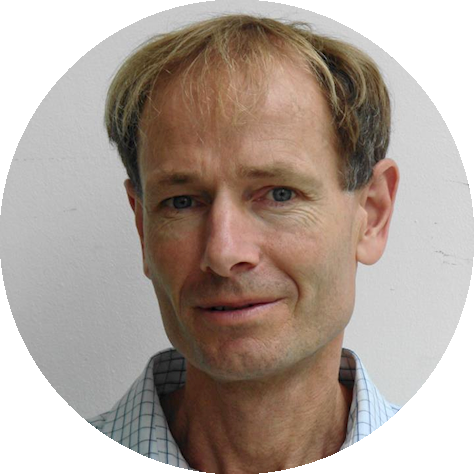
Profs Sean Davison (University of the Western Cape) and Willem Landman (Stellenbosch University) co-found DignitySA, bringing together academic, medical and civil-society support for end-of-life rights in South Africa.
The milestones that have shaped DignitySA's work to advance end-of-life dignity in South Africa, from our founding in 2011 to the constitutional challenge of 2026.
Since 2011, DignitySA has worked across law, medicine and public conversation to make sure South Africans can live, and die, with dignity. This is how the work has progressed.
DignitySA began as a small academic and civil-society initiative grounded in the idea that South Africans should have meaningful choice and protection at the end of life.
Profs Sean Davison (University of the Western Cape) and Willem Landman (Stellenbosch University) co-found DignitySA, bringing together academic, medical and civil-society support for end-of-life rights in South Africa.
DignitySA is formally registered as a non-profit organisation (NPO) in January and as a public-benefit organisation (PBO) in April, putting the work on a recognised legal footing.
A single court application transformed end-of-life law in South Africa into a live constitutional question, and confirmed DignitySA as a legitimate voice in the public interest.
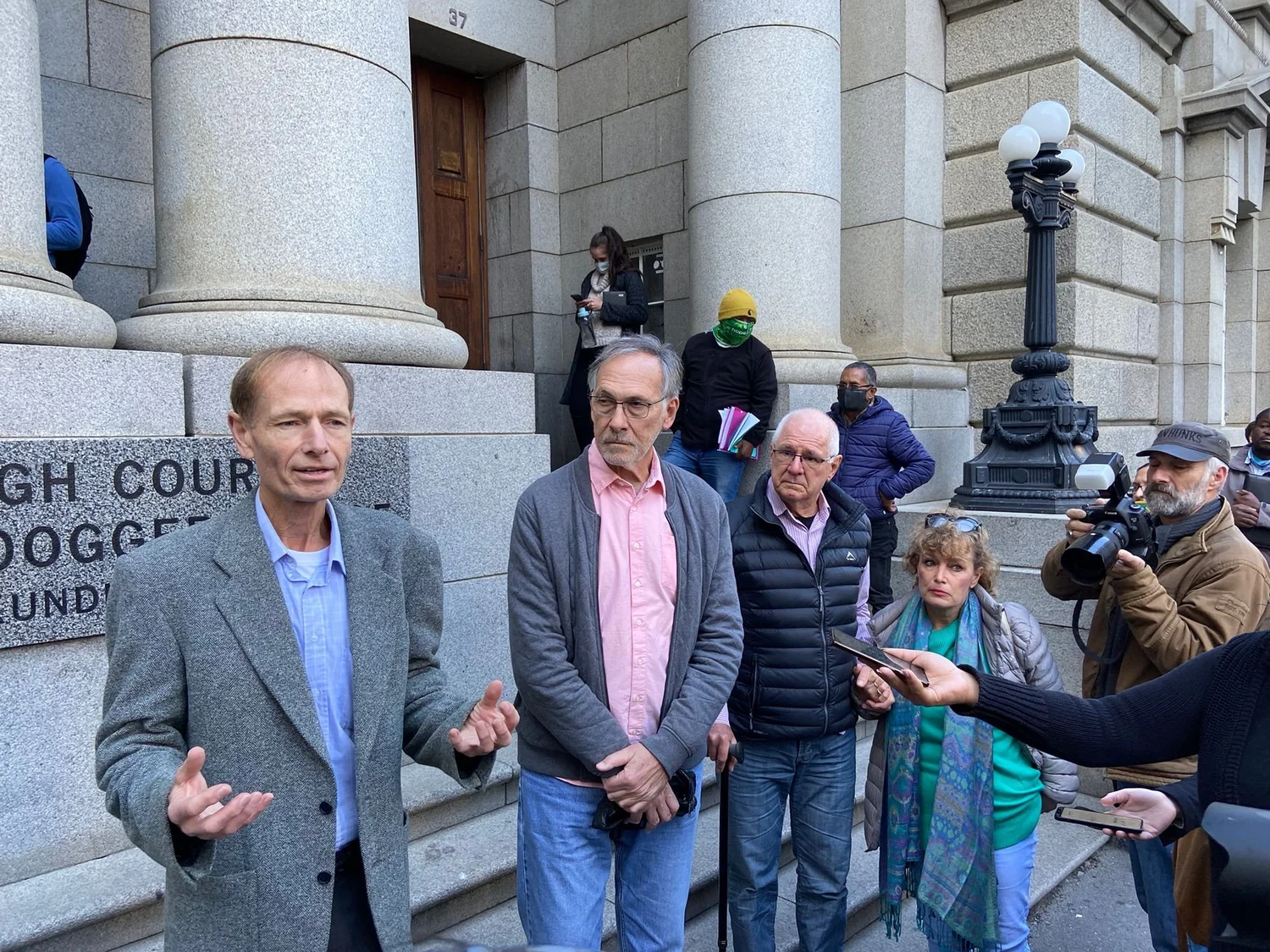
Adv Robin Stransham-Ford, a terminally ill advocate, secured pro-bono representation supported by DignitySA. The North Gauteng High Court (Judge Hans Fabricius presiding) granted him permission for lawful medical assistance in dying. He died approximately two hours before the ruling was handed down.
The Ministers of Justice and of Health successfully appealed on technical and procedural grounds. Crucially, the SCA affirmed DignitySA as a legitimate entity to act in the public interest in future cases, laying the groundwork for the constitutional challenge to come.
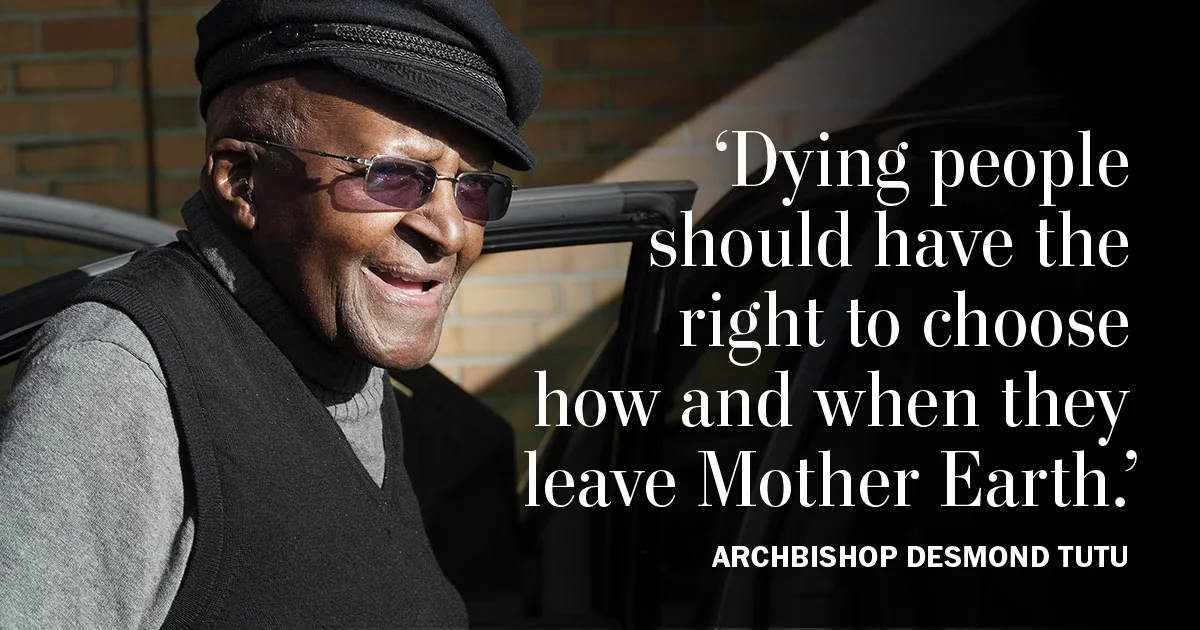
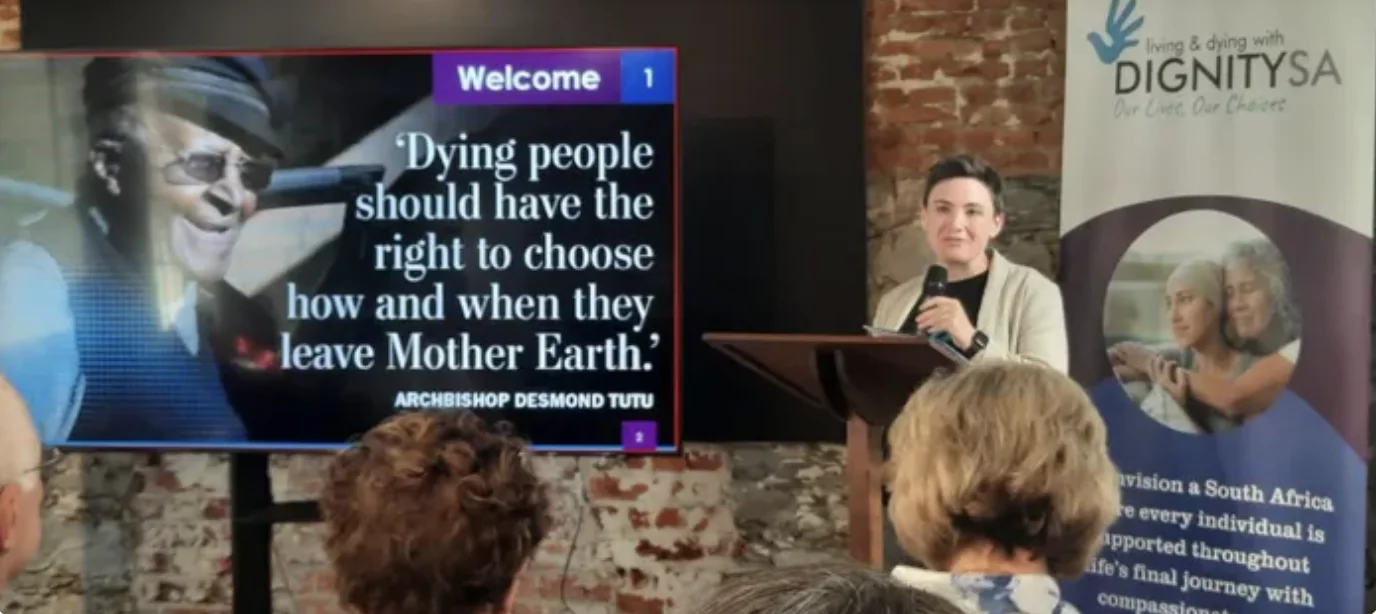
On his 85th birthday, Archbishop Tutu publicly supports the principle that dying people should be able to choose how and when they leave this world. His support brings significant attention to the cause in South Africa and abroad.
Parliamentary engagement on advance directives, an international gathering in Cape Town, and a separate court application by Dieter Harck and Sue Walter, all slowed by elections and the COVID-19 pandemic.
Dieter Harck and Dr Sue Walter pursued their own application for legal recognition of medical assistance in dying. DignitySA supported the work but was not a party to the proceedings. In December 2022, Dieter Harck withdrew his application to join DignitySA’s planned constitutional challenge.
DignitySA began collaborating with the parliamentary legal team on a proposed amendment to the National Health Act (61 of 2003) to strengthen the legal framework for advance directives, so that South Africans’ wishes for their own healthcare could be recorded in writing.
DignitySA hosted the World Conference of Right to Die Societies in Cape Town, with Prof Sean Davison chairing. The conference brought South African voices into the international discussion on end-of-life choice.
Parliamentary elections in 2019, followed by the disruption of COVID-19, stalled the advance directives amendment. The relationships built in those years would later support the next round of work.
From 2023, DignitySA built a senior legal team, broadened its mandate across the full spectrum of end-of-life choice, and secured the funding to bring the constitutional case to court.
DignitySA decides to build a senior legal team and prepare the current court application. The work is made possible in January by a R1 million bequest from a supporter who believed the case had to be brought.
A South African Medical Journal editorial (Vol 114, No 2) by prominent local doctors endorses DignitySA’s constitutional challenge. A second R1 million donation arrives, enabling the legal work to continue at pace.
DignitySA changes its legal structure from a voluntary association to a non-profit company (NPC), bringing its governance and accountability framework into line with the scale of the work ahead.
The AGM ratifies an extended mandate covering palliative care, withholding and withdrawing life-sustaining treatment, advance directives, and the legalisation of assisted dying.
A further R2.6 million in funding enables case preparation, international conference participation, and the launch of the Advance Directives Campaign, a public-facing programme to make South Africans’ end-of-life wishes legally durable.
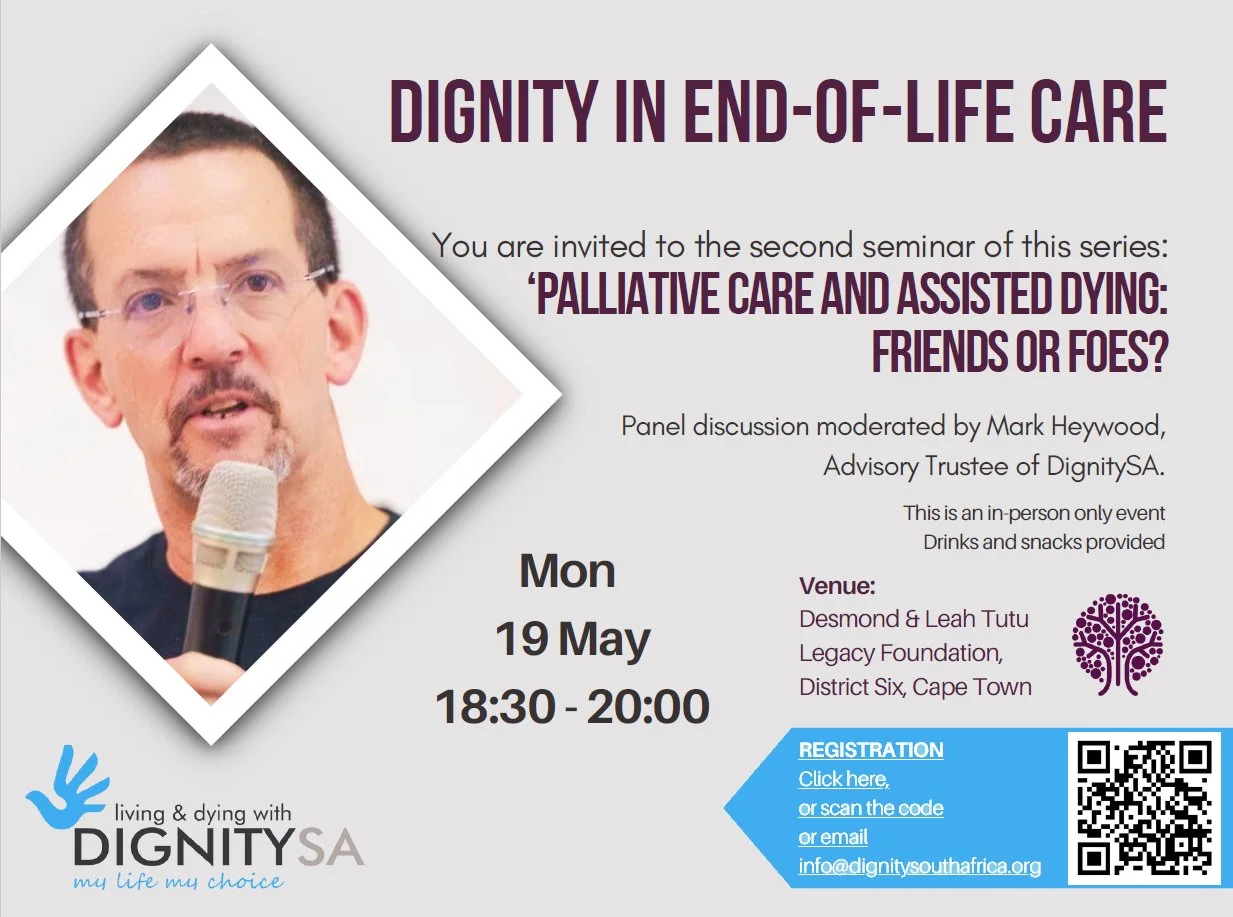
DignitySA’s constitutional challenge is filed in the North Gauteng High Court and launched publicly at the Desmond and Leah Tutu Legacy Foundation.
DignitySA lodges its application (case 2026-082603) in the North Gauteng High Court in Pretoria, asking the court to declare the blanket common-law prohibition on medical assistance in dying unconstitutional and to give Parliament 24 months to bring the law into line with the Constitution.
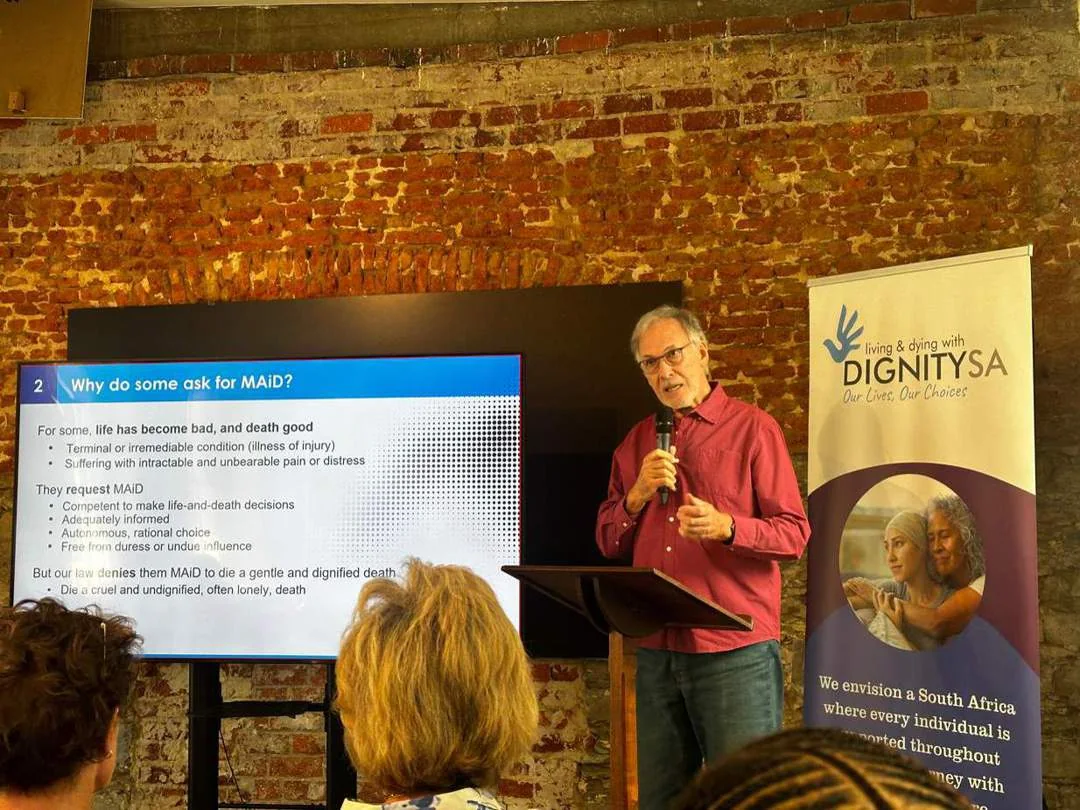
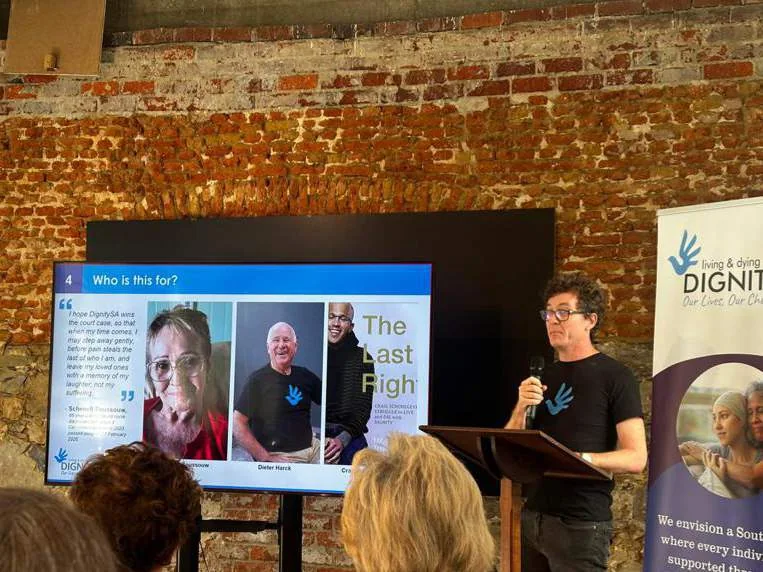
DignitySA’s mandate covers the full spectrum of end-of-life choice. Each focus area is a live area of work, and each one continues this story.
Comprehensive symptom and family support, available early in serious illness, not only at the end.
Read moreHow South African law already protects the right to refuse unwanted treatment, and who can speak for a patient who cannot.
Read moreRecording your future healthcare wishes through a living will and a Section 7 Mandate.
Read moreDignitySA’s constitutional case for a compassionate, carefully safeguarded legal framework.
Read moreOur leadership and our published reports tell the story of who carries this work, and how we account for it.
The constitutional challenge belongs to anyone who has ever watched a loved one ask for a choice the law would not give. Public support keeps the legal work moving.