Physical comfort
Relief from pain, breathlessness, nausea, fatigue and other distressing symptoms while a person continues to receive appropriate medical care.
Comprehensive care that manages total pain and improves quality of life for people with life-threatening illness and those who love them.

Palliative care is comprehensive care that manages total pain and improves quality of life. It is recognised by the United Nations, the World Health Organisation and other bodies as a human right for people living with life-threatening illnesses.
It is not the same as giving up treatment. Good palliative care can be introduced from diagnosis, can sit alongside disease-directed treatment, and should support the person as well as their family and caregivers.
DignitySA supports broader access to high-quality palliative care while also advocating for clear, compassionate choices at the end of life. These are not competing commitments. People should be able to receive excellent care and have their values respected.
Palliative care responds to physical, psychological, social and spiritual suffering, often through an interdisciplinary team.
Relief from pain, breathlessness, nausea, fatigue and other distressing symptoms while a person continues to receive appropriate medical care.
Space for fear, uncertainty, grief, family conflict and difficult decisions to be held with honesty and professional care.
Guidance for loved ones, practical planning, respite where available, and bereavement support when it is needed.
Attention to meaning, culture, relationships, values and the social realities that shape a person's experience of serious illness.
Good palliative care holds the whole person and the people they love. It makes room for connection, comfort and ordinary joy alongside serious illness.





Many people delay asking for palliative care because they associate it only with death, hospice admission or the withdrawal of treatment. APCC guidance makes the opposite point: palliative care is a way of adding support, comfort and clarity earlier in serious illness.
Read DignitySA on APCC's positionTruth: It should ideally be introduced from the point of diagnosis with a life-threatening illness and can be provided alongside active treatment.
Truth: Most hospice care in South Africa is delivered in the comfort of a patient's home. Some hospices have inpatient units, but many do not.
Truth: It is holistic care for the patient and their loved ones, addressing physical, psychological, social and spiritual dimensions of illness.
Truth: Some medical schemes cover palliative care, some people pay privately, and many hospices subsidise care through donations depending on capacity.
Truth: The Association of Palliative Care Centres maintains standards for palliative healthcare services that are internationally recognised.
Access varies by province, service capacity and funding route. These are the clearest starting points for patients, families and clinicians.
A doctor or nurse can refer you to palliative care. It is worth asking from diagnosis, not only when treatment options have narrowed.
The APCC directory lists hospices and palliative care centres across South Africa, including services in all nine provinces.
Search APCC directoryPALPRAC helps people locate healthcare professionals with palliative care training in their area.
Search PALPRAC providersSome medical schemes fund advanced illness or palliative care benefits. Ask what is covered and what referral paperwork is needed.
Choose the pathway that best matches your role. Each page brings together care directories, planning templates, support organisations and practical next steps.
Find care directories, support organisations and practical guidance for people facing serious illness.
Support for caregiving, grief, conversations and family decision-making around serious illness.
Training, eligibility guidance and interdisciplinary support for clinicians caring for patients with advanced illness.
Prepare treatment preferences and appoint a trusted person through a Section 7 Mandate.
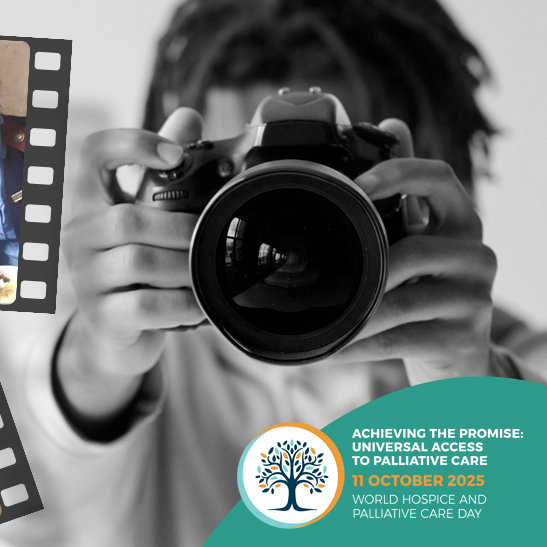
DignitySA supports the Association of Palliative Care Centres' campaign, Through the Palliative Care Lens, which shines a light on palliative care centres across the country and on World Hospice and Palliative Care Day each October.
Myths still prevent people from getting help. You can assist by sharing accurate information, encouraging early referrals, supporting a local hospice or thrift shop, and helping families know that palliative care is a source of support, not a signal that care has ended.
If you are looking for palliative care, planning resources or end-of-life support, contact DignitySA and we will do our best to connect you with appropriate information.